
New parents tend to be extra careful about everything, and honestly, it makes sense. Babies aren’t just small adults. Their immune systems are still developing, their digestive systems are more sensitive, and they can’t handle germs the same way grown-ups can. Something that wouldn’t even affect you, like a tiny amount of bacteria, can sometimes upset a baby’s tummy much more easily.
On top of that, babies drink a lot relative to their body size. A small amount of something in water (like bacteria, dirt, or even too much mineral content) can matter more simply because babies are consuming more per kilogram compared to adults. So if you’ve been staring at your kettle thinking, “Is this safe?” you’re absolutely not alone.
What actually matters when preparing formula?
Before choosing tap water or filtered water, it helps to understand the biggest goal when making formula: reduce bacteria exposure and keep everything clean. The problem usually isn’t the tap water itself, but the wider process.
This is because powdered infant formula is not sterile. That surprises a lot of parents. Even if the tin looks sealed and clean, it can still contain small amounts of bacteria. The water you use plays an important role because the correct water temperature can help reduce that risk.
So rather than only focusing on whether the water is tap or filtered, it’s smarter to think about:
- Water safety and cleanliness
- Correct temperature
- Clean bottles and utensils
- Proper storage after preparation
If you get these right, you’re already doing a great job.
Is tap water safe for baby formula?
In many places, including Singapore, tap water is treated and generally safe to drink. That said, babies have different needs, and formula prep has its own hygiene standards. Tap water can still pick up contaminants after treatment, such as from old pipes, dirty taps, or water tanks in certain buildings. Even if it’s safe for adults, you may still want to be extra cautious for a newborn.
When tap water is usually okay
Tap water is generally acceptable for formula if:
- Your area has treated, clean mains water
- Your home’s plumbing is well-maintained
- You’re boiling the water properly
- You’re using it correctly based on your baby’s age and doctor’s advice
You should take extra care if:
- Your home has older plumbing
- You’ve noticed brown water, sediment, or unusual smells
- You live in a building with older water storage systems
- Your baby is premature, has low birth weight, or has immunity concerns
In these cases, filtered water or professionally dispensed water that’s maintained properly can offer more reassurance.
Is filtered water better for formula?
Filtered water can feel like the safer option because it removes certain particles or chlorine taste and smell. But it’s important to know one key thing: filtered water is not automatically sterile.
Some filters improve taste and remove impurities, but they don’t necessarily remove bacteria. In fact, poorly maintained filters can become a breeding ground for germs, especially if they haven’t been replaced on schedule.
Filtered water can be useful for:
- Reducing chlorine taste and smell
- Reducing sediment
- Improving overall water clarity
- But filtered water still needs to be:
- Stored hygienically
- Dispensed using clean equipment
- Boiled properly (unless your doctor advises otherwise)
So yes, filtered water can be great, but only if the filter is maintained properly and you’re still handling everything safely.
What do paediatric guidelines generally recommend?
Most medical guidance focuses less on tap vs filtered and more on boiling water and using the right temperature. Many professionals recommend using boiled water that’s cooled slightly (but still hot enough) to mix with formula. This helps reduce the risk of bacteria in the formula powder.
A simple way to think about it is that the hot water is meant to protect your baby from bacteria in the formula, not just the water source itself. If you’re ever unsure, it’s always best to follow the specific preparation instructions on your formula tin and check with your baby’s paediatrician (especially for babies under 2 months or with health conditions).
The safest formula prep routine (simple and realistic)
Step 1: Wash your hands properly
Before anything else:
- Soap, warm water, and a proper scrub
- Dry with a clean towel or disposable tissue
This step alone prevents so many issues.
Step 2: Sterilise bottles, teats, and tools
For newborns especially, sterilisation matters. Use:
- Steam steriliser
- Boiling method
- Cold-water sterilisation (following product instructions)
Just rinsing isn’t enough at this stage.
Step 3: Use boiled water
Boil your water using a kettle or pot. Whether it’s tap water or filtered water, boiling gives an extra safety step.
Step 4: Cool it, but not too much
You don’t want boiling water directly in plastic bottles for long periods. But you also don’t want it cooled fully to room temperature either. In many guidelines, the sweet spot is boiled water cooled for a short time until it’s hot but manageable.
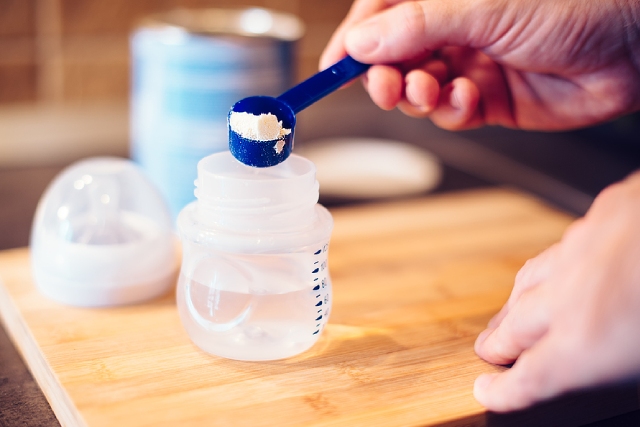
Step 5: Add formula accurately
This part is more important than many parents realise. Always:
- Use the scoop provided
- Level the powder (don’t pack it)
- Follow the exact ratio
Too concentrated can stress the kidneys. Too diluted can affect nutrition.
Step 6: Cool quickly and feed
After mixing, cool the bottle by placing it in a bowl of cool water, then test on your wrist.
If the baby doesn’t finish the bottle, discard it. It’s painful, but it’s safer than storing leftovers.
So, should you use tap water or filtered water?
Here’s a straightforward way to decide.
Tap water can be a solid choice if:
- Your tap water is clean and reliable
- Your plumbing is in good shape
- You always boil the water before mixing
Filtered water may be worth it if:
- You’re worried about plumbing quality
- You want extra peace of mind
- Your baby has higher sensitivity or medical concerns
- You’re trying to avoid taste/smell issues
But again, the biggest protection still comes from boiling water properly, sterilising bottles, and good hygiene.
What about using a water dispenser?
Many parents end up using a water dispenser for home because it makes life easier, especially during night feeds. When you’re half-asleep with a crying baby, convenience really matters, and you don’t want to be waiting around for a kettle to boil.
A dispenser can help you:
- Access water quickly
- Reduce the “prep time panic” at night
- Improve consistency (especially if it supports temperature control)
- Avoid repeated boiling and cooling cycles
However, with baby feeding, hygiene and maintenance must come first. Always check:
- How the machine is cleaned
- How often filters should be changed
- Whether it’s designed for safe drinking water use
- Whether it can dispense hot water reliably
And yes, it’s possible to choose the right water dispenser for the nursery if your priority is safe water access, ease of feeding, and practical daily routine support.
Conclusion
It’s easy to spiral into worry when you’re feeding a baby, especially with all the conflicting advice online. But you don’t need to chase perfection. You need a safe, consistent routine.
Tap water can be safe. Filtered water can be helpful. A water dispenser can be convenient. What makes formula feeding truly safer is your overall hygiene habits, correct temperatures, and clean equipment.
If you’d like a reliable solution for your household water routine, Watermaxx offers quality dispensers and options designed for convenience and everyday hygiene. Explore Watermaxx’s offerings to find a setup that fits your home and makes baby feeding just a little less stressful.