
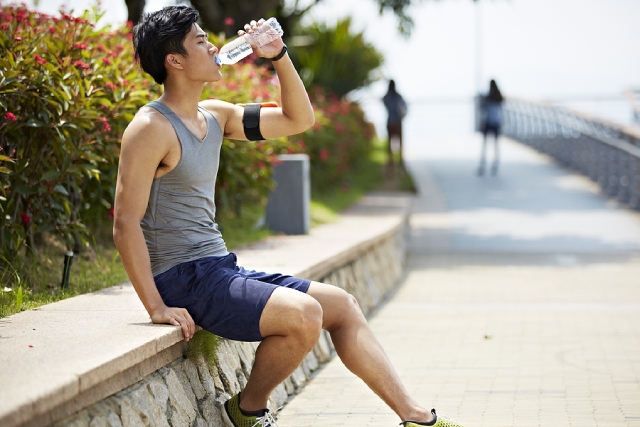
Walk around Singapore these days, and you’ll notice something new popping up in more public spaces: water refill stations and water coolers. From hawker centres and parks to bus interchanges, it’s clear that the push for easy access to drinking water is gaining momentum. The Ministry of Health (MOH) has supported efforts to make clean drinking water more accessible, while also encouraging people to reduce bottled water waste. It’s a win for sustainability, and it’s also practical for day-to-day life.
At the same time, plenty of people still hesitate. The word “refill station” can trigger a very real fear: is it actually clean? Many Singaporeans have hygiene concerns, especially when the dispenser is outdoors or located in a high-traffic area. And honestly, that’s not an unreasonable worry. Recent public discussions have shown that while refill stations are a good idea, the cleanliness and maintenance side has to be taken seriously. That’s where stronger guidelines, better upkeep, and clearer safety regulations (including updates under the Food Safety and Security Act) can give the public more confidence.
So, let’s talk about what’s really happening in Singapore, why refill stations matter, where the safety concerns come from, and how you can refill smarter without second-guessing every sip.
Why refill stations are rising in Singapore
Singapore has been moving in a direction where sustainability isn’t just a trend, but a habit. Water refill stations support that in a few key ways:
1. Less plastic waste
The biggest reason is simple: fewer single-use bottles. If more people refill reusable bottles, less plastic ends up in bins, landfills, or the environment. A few times a week may not feel like much, but across thousands of daily commuters, it adds up quickly.
2. More convenient hydration
Not everyone remembers to bring enough water, especially when you’re out in the afternoon heat. Refill stations make it easier to stay hydrated without needing to buy a bottled drink each time.
3. Public health support
When people drink enough water, they feel better, stay alert, and are less likely to fall into fatigue. It also helps reduce excessive intake of sweet drinks. A refill culture encourages healthier choices naturally.
The main reason people still avoid refill stations: Hygiene anxiety
The problem isn’t the idea of free water. It’s the fear of contamination. Some common concerns include:
- Unknown cleaning schedule (Was it cleaned yesterday, last month, or never?)
- Public misuse (people touching spouts, placing bottles too close, or even rinsing bottles there)
- Outdoor exposure (dust, insects, weather)
- High-traffic areas where surfaces are constantly touched
When users don’t trust the cleanliness, they’ll default to what feels safer, which is sealed bottled water from a store. The good news is that hygiene isn’t something that can be solved by hoping people “just trust.” It has to be supported by proper maintenance, clearer accountability, and better public guidance.
Sustainability and safety can co-exist
Refill stations work best when people can confidently say, “This is safe,” without needing to guess.
That means:
1. Clear standards
There should be baseline expectations for public refill stations, such as:
- routine cleaning and sanitising
- filter maintenance schedules
- regular inspections
- safe placement away from contamination sources (e.g., near toilets)
2. Proper upkeep by the operator
The operator (whether it’s a building management team, hawker centre operator, town council, or vendor) needs to ensure the station is maintained consistently, not just when complaints happen.
3. Updated regulations for safety
Singapore’s food safety and hygiene regulations continue to evolve, and stronger frameworks help reinforce accountability. When safety becomes a clear responsibility, the public trust goes up naturally.
The real question: Is refill water safe in Singapore?
For most stations, yes, it can be safe, but the key word is maintenance. It’s like any other shared facility. A public lift is safe because it’s maintained. A toilet is hygienic because it’s cleaned. A refill station is safe when its components are clean, its filters are replaced as scheduled, its design prevents backflow contamination, and it isn’t being misused.
So instead of thinking, “Refill stations are unsafe,” it’s more accurate to think that refill stations are safe when upkeep is done properly, and when users refill responsibly.
Simple habits that make refilling safer
Here are practical habits that keep you protected without overthinking things.
1. Don’t let your bottle touch the spout – This is the big one. Hold your bottle slightly below the spout, so water flows down without contact. Once bottles touch the nozzle, contamination risk increases.
2. Avoid refilling if the area looks unhygienic – If the station area is wet, dirty, has visible residue, or smells odd, skip it. You’re not being paranoid, you’re being sensible.
3. Clean your own bottle daily – Even if the station is spotless, your bottle might not be. Daily bottle hygiene matters because bacteria grow fast in moist environments. Wash with soap and a bottle brush, then let it dry fully.
4. Don’t “top up” endlessly – If you’re refilling a bottle that still has water from earlier, you may be increasing bacteria build-up inside. When possible, finish your water, wash your bottle, then refill.
5. Use bottles that are easy to clean – Some bottles have narrow openings, rubber seals, and complicated lids that trap moisture. That’s where smell and bacteria start.
And yes, water bottle types to match your daily routine matter more than people think. A bottle that’s easy to wash and dry is often safer than a fancy one that stays damp.
Refill stations aren’t the only option
Even though refill stations are improving, they may not suit everyone.
You might prefer alternatives if:
- you’re hosting an event with many guests
- you’re an office manager and need consistent drinking water supply
- you’ve got children at home and need reliable hygiene standards
- you want cold/hot water on demand without relying on public stations
This is where it helps to think beyond public refill points and consider structured hydration solutions. For homes, workplaces, and events, water dispenser rental can be a practical middle ground: you still reduce bottled water usage, but you gain a cleaner, controlled, and properly maintained setup.
Why Singapore’s refill culture is still worth supporting
Even with the hygiene concerns, refill stations are a positive move. They’re not perfect, but they are part of a bigger shift where Singapore is trying to reduce waste, build more sustainable daily habits, and make hydration more accessible to everyone.
Instead of rejecting refill stations entirely, the better approach is to improve maintenance, educate users, standardise safety expectations, and make reliable dispenser access available in more semi-private settings, too. Sustainability only works when it’s practical, and safety only works when people trust it.
Conclusion
Refill stations are becoming more common in Singapore for good reasons: they reduce plastic waste, encourage hydration, and support greener habits. But hygiene concerns are real, and they shouldn’t be dismissed. What matters is consistent upkeep, clear safety regulations, and smarter refilling habits from all of us.
If you want a more reliable and hygienic hydration solution for your home, office, event, or shared space, Watermaxx can help. Explore our dispenser options, servicing support, and flexible solutions to make drinking water cleaner, safer, and more convenient for everyone.