
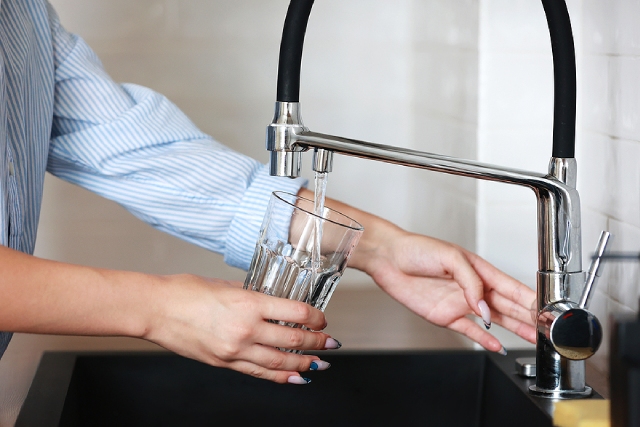
Scrolling through social media can feel like a never-ending stream of alarming headlines, and water safety is one of those topics that always gets people talking. You’ll see videos about rusty pipes, unsafe tap water warnings, or travellers sharing horror stories about getting sick overseas just from brushing their teeth. It’s enough to make anyone side-eye their kitchen tap.
So, does the same apply in Singapore? The short answer is: Singapore’s tap water is generally safe to drink straight from the tap. But like most real-life topics, there are a few practical nuances worth understanding, especially if you’re a parent, someone with a sensitive stomach, or just someone who wants peace of mind in your daily routine.
The quick answer: Yes, Singapore tap water is safe
Singapore is widely known for its clean, well-managed public utilities. Tap water here is treated carefully and monitored consistently. For most households, it’s perfectly safe to drink without boiling.
That said, when people ask this question, they’re usually asking something deeper, like:
- “Will drinking tap water affect my health?”
- “Why does my tap water smell weird sometimes?”
- “Do I need a filter, or is that just marketing?”
- “Is my home’s plumbing the weak link?”
These are smart questions, and it’s exactly why knowing the difference between national water quality and home-specific factors matters.
How tap water in Singapore is treated
Even though we don’t see it, tap water doesn’t go straight from a reservoir to your glass. It goes through multiple processes before reaching households, including:
- removal of dirt and particles
- disinfection to kill bacteria and viruses
- checks to make sure chemical levels are within safe limits
That consistent treatment process is why Singapore’s tap water has a strong reputation.
However, even good water can become less pleasant at the last stage (your home), depending on the pipes, storage tanks, and fittings. This is why two people living in different buildings can have totally different experiences, even though the water supply is the same.
Myth vs fact: Common tap water fears
Let’s address the most common concerns that come up again and again.
Myth 1: “Tap water isn’t safe anywhere”
Fact: It depends on the country.
Many countries do have tap water that isn’t safe to drink, but Singapore is not one of them. Here, tap water is produced to be safe for drinking. That’s why locals don’t generally treat it like emergency-only water.
Myth 2: “Tap water is full of bacteria”
Fact: Treated tap water is disinfected.
Bacteria levels are controlled through water treatment and monitoring. If there’s ever a major issue, advisories are issued. But day-to-day, it’s not something most households need to worry about.
Myth 3: “If it smells like chlorine, it’s dangerous”
Fact: A mild chlorine smell can be normal.
Chlorine is used for disinfection. Sometimes you might notice it more strongly (especially after pipe maintenance or during certain periods). It’s usually not dangerous, just unpleasant.
A simple trick: Pour water into a jug and leave it for a short while. The smell typically reduces naturally.
Myth 4: “Filtered water is always healthier”
Fact: Not necessarily.
Filters can improve taste and reduce specific impurities, but that doesn’t automatically mean tap water is unsafe. Many people use filters for preference, not survival.
Why some people still boil water in Singapore
Boiling water is common in many Asian households because it’s a habit passed down through generations. People boil water because it:
- feels “safer”
- tastes different
- is used for babies or elderly family members
- is seen as a form of extra hygiene
Boiling does help kill microorganisms, but in Singapore’s context, it’s usually a personal comfort step rather than a strict necessity.
There are situations where boiling makes more sense, though:
- you’re using water for infant formula (depending on your paediatrician’s advice).
- your home has older plumbing, and you’re unsure of pipe cleanliness.
- your tap water appears cloudy or has an odd smell.
A smart alternative for daily drinking
For many families, the real issue isn’t “is it safe?” but “is it convenient enough for daily use?” This is where a hot and cold water dispenser in Singapore can be a game-changer, especially if your household drinks water often or needs instant hot water for:
- coffee and tea
- formula preparation (with the right temp settings)
- oats, noodles, or quick meals
- guests visiting (no kettle waiting time)
You’re also less likely to depend on bottled water when you have clean, temperature-controlled water ready any time.
Distilled or filtered water, which one is better?
This is another area where people get confused.
Distilled or filtered water is sometimes preferred for taste, or for certain appliances. But for general drinking in Singapore, you don’t need to go out of your way to choose distilled water unless you’ve been advised to.
What matters more is:
- whether your water source is reliable
- whether your storage is clean
- whether your household routine is sustainable and easy to maintain
Simple everyday tips to keep your drinking water safe
If you want to drink tap water more confidently (or improve its taste), these small habits help a lot:
- Flush your tap for 10–30 seconds if it hasn’t been used for hours (especially in the morning).
- Clean the tap aerator every few weeks, as sediments collect there.
- Store drinking water in clean containers with lids.
- Avoid leaving water sitting too long in jugs at room temperature.
- Maintain your filter properly if you use one, and change it on schedule.
- Be extra careful during plumbing works in your building, and run the tap until clear if needed.
Conclusion
So, is tap water in Singapore safe to drink? For most people, yes. It’s treated, monitored, and produced to a high standard. The bigger differences usually come from your home plumbing, your taste preferences, and your lifestyle habits.
If you want a more convenient way to enjoy clean drinking water daily, Watermaxx can help. Explore Watermaxx’s range of dispensers and solutions designed for modern Singapore households, so you can drink confidently and comfortably every day.