
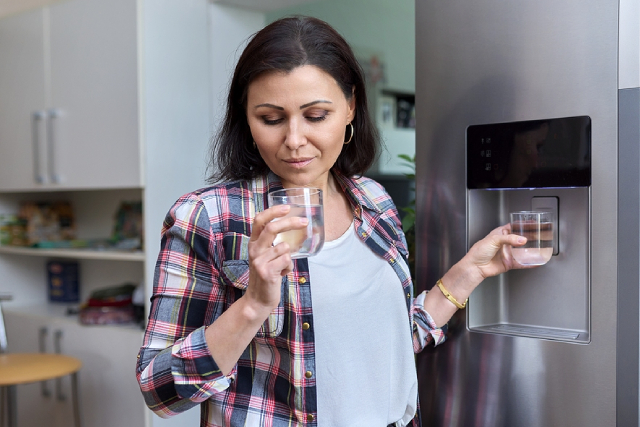
When you think about a water dispenser, what usually comes to mind is convenience, the ability to pour yourself a cold drink after a workout or a hot cup of tea during a break. Rarely do we stop to think about the humble water filter quietly working behind the scenes. Yet, this small component is what ensures that every sip is safe, clean, and refreshing.
Filters often go unnoticed because they’re hidden inside the dispenser, out of sight and out of mind. We might assume that if water comes from the tap, it’s already clean enough to drink. But the truth is, water filters play a huge role in improving not just the safety of your drinking water but also its taste, odour, and even how it makes you feel after drinking it. Let’s take a closer look at how much of a difference they truly make, especially for those using a water dispenser with hot and cold settings in Singapore.
The hidden hero in your water dispenser
Most people buy water dispensers for the temperature control – hot water for coffee, cold water for a quick refresh, or room-temperature water for cooking. But what many don’t realise is that without a proper filtration system, even the most advanced dispenser is just a fancy tap.
A water filter removes impurities that may linger in tap water, including chlorine, heavy metals, sediments, and bacteria. While Singapore’s water supply is generally safe and well-regulated, pipes and storage systems can still affect water quality by introducing trace contaminants or altering taste. A good filtration system ensures that what reaches your cup is as pure as possible.
Think of it as an invisible guard, protecting you from unwanted particles and ensuring your water tastes crisp, not metallic or stale.
How water filters work
Filters come in different types, such as carbon, ceramic, reverse osmosis, and UV, among others. Each type serves a specific function, and many water dispensers use a combination to maximise purification.
For instance, activated carbon filters absorb chlorine and organic compounds that affect flavour and smell. Ceramic filters physically block dirt, bacteria, and other small particles. Reverse osmosis systems, which are common in premium dispensers, push water through a semi-permeable membrane that traps even microscopic contaminants. UV filters, meanwhile, use ultraviolet light to kill microorganisms without adding any chemicals.
Together, these layers form a powerful defence against pollutants, ensuring your drinking water stays clean and healthy.
Taste, smell, and quality: What you’ll notice
The first difference most people notice after switching to a filtered water dispenser is taste. Tap water can sometimes have a faint chlorine flavour or a musty odour, both of which disappear once filtration kicks in. The water feels lighter, smoother, and more pleasant to drink.
This is especially noticeable when using a hot and cold water dispenser. The filtered water enhances your experience, whether you’re brewing a fragrant cup of green tea or simply enjoying a glass of chilled water. Hot beverages taste purer because no chemical aftertaste interferes with their natural flavours, while cold water feels more refreshing and satisfying.
In short, filtration doesn’t just improve safety; it transforms your everyday drinking experience.
Health and safety benefits
Clean water goes beyond good taste. A high-quality filter can help protect your health by removing harmful substances like lead, chlorine by-products, and bacteria that may occasionally enter water systems. While Singapore’s tap water is considered safe, it can still pick up trace amounts of these impurities during distribution.
Filtered water can also be better for sensitive individuals, such as young children, the elderly, or those with allergies, who may react to even small quantities of chlorine or heavy metals. Plus, filtered water is ideal for cooking, especially for soups, baby formula, or washing fruits and vegetables, where purity matters most.
This makes a water dispenser with filtration not just a luxury but a smart, health-conscious choice for both homes and offices.
Environmental impact: Less plastic, more sustainability
Another underrated benefit of using a dispenser with a built-in filter is the reduction in plastic waste. When people switch from bottled water to a filtered water dispenser, the number of single-use bottles discarded each week drops dramatically.
This change may seem small at first but adds up over time. You save money, reduce your carbon footprint, and contribute to a cleaner environment, all by relying on your dispenser for safe, great-tasting water instead of pre-packaged alternatives.
So while filters improve your personal well-being, they also play a part in supporting a greener planet.
The evolution of modern filtration
Modern water filters are far more efficient and user-friendly than their earlier counterparts. It’s fascinating to see how water filtration evolved from medieval times to present, where people once boiled or sand-filtered water by hand to ensure safety, to today’s advanced multi-stage purification systems.
Many dispensers now come with smart indicators that tell you when to replace filters, ensuring you always enjoy peak water quality. Some even have sensors that automatically adjust filtration levels based on water flow or usage.
This evolution reflects how much emphasis people now place on wellness and convenience, and how technology continues to meet those expectations.
Choosing the right filtered water dispenser
If you’re planning to buy a water dispenser in Singapore, it’s worth comparing models with different filtration systems. Consider your water source, household size, and how much hot or cold water you use daily.
For example:
- Carbon filters are great for improving taste and odour.
- Reverse osmosis systems work best for maximum purification.
- UV filters are ideal if you’re concerned about bacteria or viruses.
- Multi-stage systems combine several methods for all-round performance.
You should also check how easy it is to replace the filters and how frequently they need changing. Some filters last for several months, while others require more regular maintenance; a small price for the benefits they provide.
Signs your filter needs replacing
A water filter won’t last forever. Over time, it becomes saturated with particles and loses effectiveness. Some common signs include:
- A change in water taste or smell
- Slower water flow from the dispenser
- A visible filter replacement alert (in newer models)
Keeping up with filter replacements ensures your dispenser continues delivering fresh, clean water daily. Think of it like servicing your car; regular maintenance keeps it running smoothly and safely.
The true value of a filtered water dispenser
At first glance, a water filter might seem like a small detail. But in reality, it’s what makes a good water dispenser great. It turns ordinary tap water into something you can trust: pure, delicious, and ready whenever you need it.
Whether you’re setting up an office pantry or upgrading your kitchen, investing in a dispenser with reliable filtration means investing in your long-term health, comfort, and convenience.
Conclusion
Water filters are the unsung heroes behind every great sip of water. They make all the difference by improving purity, flavour, and safety, ensuring that every glass you pour is as refreshing as the last.
At Watermaxx, we offer a wide range of water dispensers designed to fit every lifestyle, from compact countertop units to advanced systems with multi-stage filtration and temperature control. Explore our collection today and discover how clean, great-tasting water can easily become a part of your everyday routine.