
Every time you rinse a pot of rice, run a shower, or do a load of laundry, water goes down the drain that didn’t have to. Most of us don’t think twice about it, it’s just how things work. But a growing number of households across Singapore are rethinking that assumption, and finding that with a few simple habits, they can cut their water use significantly without any major lifestyle overhaul.
This isn’t about being extreme or installing complicated plumbing systems. It’s about being a little more deliberate with a resource that Singapore has always had to work hard to secure. The practical tips are simpler than you’d expect, the savings are real, and for many families, it’s become second nature surprisingly quickly.
Why water consciousness runs deeper here
Singapore is one of the most water-stressed nations in the world. According to PUB, Singapore’s National Water Agency, the country imports water, collects rainwater, recycles used water, and desalinates seawater just to meet daily demand – a four-tap strategy that requires enormous investment and energy to sustain.
The 1965 water crisis taught the nation just how precarious water security can be, and that awareness has shaped public policy ever since. PUB’s 2026 campaign, “It’s Everyone’s Business to Make Every Drop Count”, is the latest push to bring that consciousness into everyday homes through practical behaviour change. The goal is clear: get households to use water more thoughtfully, and the impact adds up fast.
The average Singaporean uses about 142 litres of water per person per day, according to PUB. That’s already down from previous years, but the national target is 130 litres by 2030. Greywater reuse and small daily habits are a big part of how ordinary households can help close that gap.
What is greywater, exactly?
Greywater is the relatively clean wastewater generated from everyday household activities, like showers, baths, laundry, and sinks (excluding toilet water, which is classified as blackwater and requires proper sanitation treatment). It’s not perfectly clean, but it doesn’t need to be for many of the ways you can reuse it.
The key distinction to understand is that greywater should generally be used soon after collection and not stored for long periods, which can allow bacteria to multiply. Used fresh and sensibly, it’s a genuinely useful resource that most households are currently sending straight to the drain.
Practical greywater and water-saving hacks that actually work
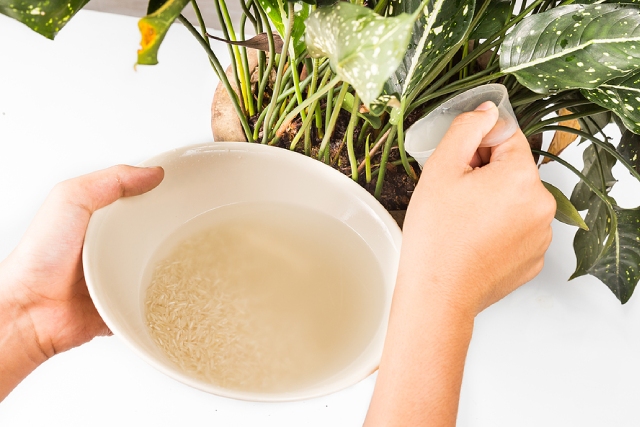
1. Rice-rinsing water for your plants
This one costs nothing and takes zero extra effort. The water you use to rinse rice before cooking is slightly starchy and contains trace nutrients? Plants actually respond well to it. Keep a small basin nearby, collect the rinse water, and use it to water your indoor plants or balcony garden. It works just as well as fresh tap water, and your plants won’t know the difference.
2. Air-conditioner condensate for floor mopping
If your air-con unit has an external drainage pipe, it’s dripping clean condensate water constantly while it runs. This water is essentially distilled, which means it’s free of minerals and perfectly suitable for mopping floors, wiping surfaces, or watering plants. A simple container placed under the drainage outlet can collect a surprising amount over the course of a day. Households that run their air-con for several hours can collect several litres this way without any effort at all.
3. Shower warm-up water
Before your shower reaches the right temperature, you probably let a minute or two of water run down the drain. Keep a bucket in the bathroom to catch that initial flow. It’s clean enough for mopping, watering plants, or flushing the toilet manually, and in a household of three or four people, this one habit alone can save a meaningful amount of water weekly.
4. Laundry rinse water for toilet flushing
The final rinse cycle from a washing machine produces water that’s relatively clean, as it’s already done its job rinsing out detergent from clothes. If your machine allows you to redirect the drain hose temporarily, this water can be collected and used for toilet flushing. It requires a little more setup than the other hacks, but households that use it consistently report noticeable reductions in their water bills.
5. The half-flush habit
This is possibly the easiest change on the list. Most modern dual-flush toilets in Singapore have a half-flush option for a reason: liquid waste doesn’t require a full tank of water to clear. Toilets account for around a quarter of household water use. Consistently choosing the half-flush where appropriate is one of the simplest ways to chip away at that figure every single day.
The SG Water Saver Programme most people overlook
If you live in a one- to three-room HDB flat, you could be among the households selected to benefit from PUB’s SG Water Saver Programme. The programme takes a more comprehensive approach, offering home water audits, fixing leaks, and swapping out inefficient fittings, all at no cost to eligible residents.
In its first two years, the programme aims to reach around 1,500 households, with PUB contacting eligible families directly with further details. It’s also backed by founding sponsors AWS Singapore and Alcon Manufacturing & Logistics, whose involvement reflects a broader push to embed water sustainability across both the public and private sectors.
If you haven’t heard from PUB yet, it’s still worth keeping an eye out. This is one initiative that does the heavy lifting for you.
A few things to keep in mind
Greywater reuse is safe and sensible when done thoughtfully, but there are a few guidelines you should follow:
- Don’t store collected greywater for more than 24 hours; use it fresh to prevent bacterial growth.
- Avoid using greywater that contains strong chemicals, bleach, or heavily soiled laundry water on edible plants.
- Keep collected water in clearly labelled containers, especially if you have children at home.
- Always wash your hands after handling greywater, just as you would after any cleaning task.
Singapore doesn’t currently have specific legislation restricting residential greywater reuse for the purposes described above, but it’s always worth checking PUB’s latest guidance if you plan to implement anything more involved, such as redirecting plumbing.
Conclusion
None of these changes requires a significant financial investment or a dramatic lifestyle shift. They’re small, sensible adjustments that fit around how you already live, and when adopted consistently across a household, they genuinely add up.
Water conservation and smart water habits go hand in hand with having reliable, efficient water solutions at home. At Watermaxx, we offer a range of water dispensers and filtration systems designed for Singapore homes and offices, helping you get clean, great-tasting water without waste. Whether you’re looking for a point-of-use dispenser, a filtered countertop unit, or a hot and cold system for the whole family, our team is ready to help you find the right fit. Visit us to explore our full range.