
Water temperature might seem like a small detail at first glance, yet it quietly shapes many parts of daily life. The temperature you choose affects how refreshing your drink feels, how efficiently you prepare meals, and even how safe water use is for children or older family members. Different temperatures exist for a reason, and each serves a practical purpose depending on the situation.
Many households simply stick to one preferred option without thinking much about it. Some people always reach for ice-cold water, while others prefer warm drinks throughout the day. However, understanding when to use hot, cold, or ambient water can make everyday routines more energy-efficient and suited to your family’s needs.
Why water temperature actually matters
Water isn’t just water once temperature enters the picture. Temperature influences taste perception, digestion comfort, hydration habits, and how quickly you can complete kitchen tasks.
For example, hot water speeds up food preparation, cold water offers immediate refreshment, and ambient water provides balance without shocking the body. Choosing the right setting helps you avoid unnecessary energy use while improving convenience at home.
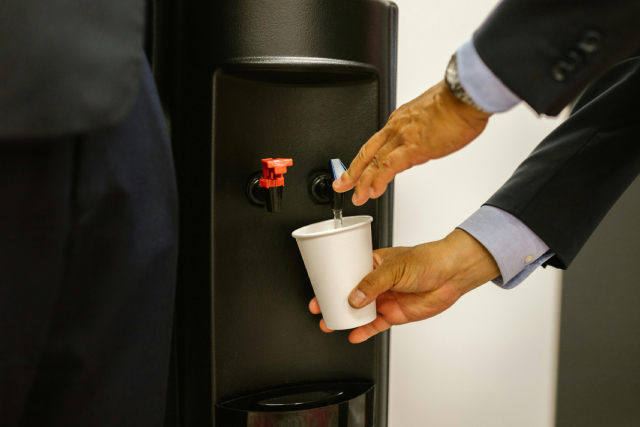
Modern homes increasingly rely on appliances that allow instant switching between temperatures. A hot and cold water dispenser in Singapore has become especially popular because it removes the need to boil kettles repeatedly or store bottles in the fridge, making hydration simpler throughout the day.
The three main water temperature options
Before deciding which setting works best, it helps to understand what each temperature is designed for.
1. Hot water: Convenience and comfort
Hot water is often associated with comfort and efficiency. Whether you’re making tea, preparing instant meals, or sterilising utensils, having hot water ready immediately saves time.
Common uses include:
- Brewing coffee or tea
- Preparing instant noodles or soups
- Mixing baby formula safely when cooled appropriately
- Cleaning greasy dishes more effectively
Hot water also plays a role in hygiene. Higher temperatures help dissolve oils and residues faster, reducing the need for excessive scrubbing.
That said, safety is important. Extremely hot water can cause burns, especially for children. Many modern dispensers include safety locks or controlled heating systems to minimise risks while still providing convenience.
2. Cold water: Refreshment and recovery
Cold water is often the first choice after exercise, outdoor activities, or a long day in Singapore’s humid climate. The cooling sensation helps people feel refreshed quickly, encouraging more frequent hydration.
Cold water works well for:
- Cooling down after physical activity
- Serving guests chilled drinks instantly
- Pairing with meals
- Encouraging children to drink more water
However, ice-cold water isn’t always ideal for everyone. Some people find very cold drinks uncomfortable, particularly early in the morning or during meals.
3. Ambient water: The underrated everyday option
Ambient, or room-temperature water, often gets overlooked despite being one of the most practical choices for daily hydration. Unlike chilled water, ambient water doesn’t require additional cooling energy. It’s also gentler on sensitive teeth and easier for some individuals to drink regularly throughout the day. Many families find this setting particularly useful for young children or elderly household members who prefer milder temperatures.
Health discussions frequently highlight that cold or room temperature is best for hydration, as people tend to drink more consistently when water feels comfortable rather than extreme.
Choosing the right temperature for drinking
Hydration habits vary from person to person, but certain patterns are common.
Morning routines often benefit from ambient or warm water, which feels easier on the stomach after waking up. During hot afternoons, cold water becomes more appealing because it provides immediate relief from heat. Evening hydration, meanwhile, often shifts back towards room temperature to avoid discomfort before sleep.
Rather than committing to one temperature all day, flexibility allows you to respond naturally to your body’s needs.
Water temperature and cooking efficiency
Kitchen efficiency improves dramatically when the correct water temperature is available instantly. Hot water shortens preparation time for foods that require boiling or soaking. Pasta, noodles, oats, and soups all benefit from faster heating, reducing waiting time during busy mornings or late dinners.
Ambient water works better for rinsing vegetables or washing fruits without partially cooking delicate produce. Cold water, on the other hand, helps stop cooking processes quickly, such as cooling boiled eggs or blanching vegetables to preserve texture. Having access to multiple temperature settings removes small inconveniences that add up over time.
Family safety considerations
Households with children often prioritise safety when choosing water appliances. Temperature control plays a major role here.
Key safety considerations include:
- Avoiding accidental burns from boiling water
- Providing child-lock features on hot water functions
- Offering ambient water as a safer everyday option
- Ensuring stable temperature output without sudden spikes
Parents often appreciate dispensers that balance accessibility with safety features. Children can access drinking water independently while adults maintain control over hotter settings.
Energy efficiency and environmental impact
Temperature choice also affects electricity consumption. Constantly boiling kettles or overusing refrigeration consumes more energy than many people realise.
Using ambient water whenever possible reduces cooling or heating demand. Meanwhile, modern dispensers are designed with insulation technology that maintains temperatures efficiently without continuous power use.
Energy-efficient habits include:
- Using hot water only when necessary
- Choosing ambient water for regular drinking
- Avoiding repeated reheating or chilling cycles
- Selecting appliances with energy-saving certifications
Small adjustments in daily usage can lower energy bills while supporting more sustainable living.
Lifestyle factors that influence your choice
Different households prioritise different temperature settings depending on lifestyle. Busy professionals may prefer hot water on demand for quick meals between meetings. Families with young children might rely heavily on ambient water for safe hydration. Fitness-focused individuals often gravitate towards cold water after workouts.
Singapore’s climate also plays a role. Warm weather naturally increases demand for chilled drinks, yet many residents still alternate between temperatures throughout the day depending on activity levels and comfort.
The best solution isn’t choosing one temperature over another. Instead, it’s having flexibility readily available.
When a multi-temperature dispenser makes sense
Traditional kettles and refrigerators still serve their purpose, but they require planning and waiting time. Multi-temperature dispensers simplify daily routines by delivering water instantly at the desired setting.
Benefits include:
- Faster meal preparation
- Encouraging consistent hydration
- Reduced clutter from multiple appliances
- Improved safety through controlled heating
- Greater convenience for multi-generational households
These advantages explain why more homes are upgrading to integrated water solutions rather than relying on separate appliances.
Practical tips for everyday use
Making the most of different water temperatures doesn’t require complicated changes. Small habits can make a noticeable difference.
- Use ambient water as your default drinking option during work hours.
- Switch to cold water after outdoor activities or exercise.
- Reserve hot water for cooking and hot beverages rather than constant reheating.
- Encourage children to drink water independently using safer temperature settings.
- Clean and maintain dispensers regularly to ensure consistent performance.
These simple adjustments help households enjoy both comfort and efficiency without overthinking daily choices.
Finding the right balance for your home
There’s no single “best” water temperature because needs change throughout the day. What matters most is accessibility and flexibility. Having the option to switch between hot, cold, and ambient water allows each family member to choose what feels right at any given moment.
Modern living increasingly values convenience that blends seamlessly into daily routines. Water temperature control may seem minor, yet it supports healthier hydration habits, safer kitchens, and smoother household workflows.
Conclusion
Choosing the right water temperature setup becomes much simpler with a system designed for real household needs. At Watermaxx, our range of advanced water dispensers offers reliable hot, cold, and ambient settings built for convenience, safety, and efficiency.
Whether you’re upgrading your kitchen or improving daily hydration for your family, explore Watermaxx’s solutions to find a dispenser that fits naturally into your lifestyle and makes every glass of water exactly how you want it.