
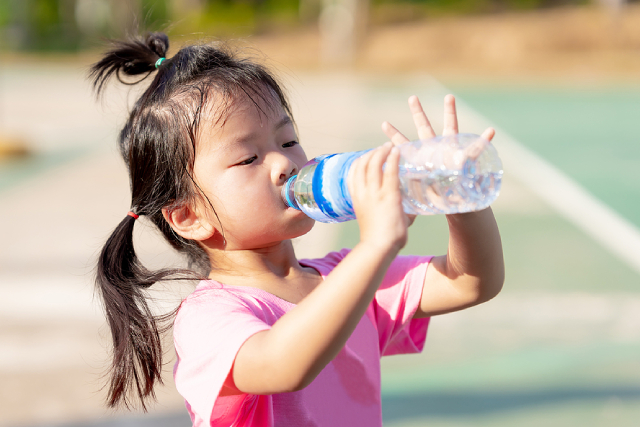
Singapore’s climate is unlike anywhere else. The heat and humidity here can make even a short walk to the bus stop feel like a workout. Whether you’re at home, commuting, or enjoying a weekend in one of our many parks, the warm, sticky air means your body loses water faster than you might realise. That’s why having a drink close at hand is essential; you never know when the heat might catch up with you.
Even in the office, air-conditioning can’t completely replace the water your body loses. You might not feel thirsty at first, but dehydration can sneak up quickly. Exercising outdoors, running errands, or even walking to the MRT station can leave you feeling drained if you haven’t had enough fluids. Keeping a bottle nearby is crucial for staying alert, energised, and healthy.
Why hydration matters in a humid climate
Water plays many roles in the body. It helps regulate your temperature, lubricates joints, supports digestion, and even affects your energy levels and mood. In a humid climate like Singapore’s, your body sweats more to cool down, and that means you lose fluids faster than in a cooler environment. Failing to replace this water can lead to dehydration, headaches, dizziness, and even more serious health issues.
It’s important to remember that hydration isn’t just about quenching thirst. Many people don’t notice mild dehydration until they’re already feeling fatigued. Regularly sipping water throughout the day ensures your body functions at its best. Simple practices, like keeping a water bottle on your desk or using a standing water dispenser in Singapore, can make staying hydrated effortless.
How much water do you really need?
You’ve probably heard the “eight glasses a day” rule. While it’s a decent starting point, the truth is that water needs vary from person to person. Factors such as age, weight, activity level, diet, and the climate you live in all play a role. In Singapore’s heat and humidity, your body may require more than the standard recommendation to stay hydrated.
On average, adults should aim for about 2 to 3 litres of water per day. But if you exercise outdoors, work in a hot environment, or spend time under the sun, your needs can increase significantly. Paying attention to your body is key. Signs like dark yellow urine, dry mouth, headaches, or fatigue are indicators that you need to drink more.
Tips for staying hydrated throughout the day
- Carry water everywhere: A refillable water bottle is your best friend. Whether commuting or strolling through Gardens by the Bay, having water within reach encourages consistent sipping.
- Use a water dispenser: At home or in the office, a water dispenser makes it easy for everyone to drink regularly. It also ensures a constant supply of clean, filtered water without repeated trips to the kitchen.
- Eat water-rich foods: Fruits and vegetables like watermelon, cucumber, oranges, and tomatoes contribute to your daily water intake. They’re a refreshing and tasty way to stay hydrated, especially in humid weather.
- Set reminders: Technology can help. Phone alarms or hydration apps can remind you to take a sip every hour, which is particularly helpful if you get absorbed in work or other activities.
- Drink before you feel thirsty: Thirst is actually a late indicator of dehydration. Don’t wait until you feel parched – regular small sips keep your hydration levels stable.
Hydration and exercise in Singapore
Exercise in Singapore requires extra attention to hydration. Running, cycling, or even a brisk walk in the park can lead to significant fluid loss through sweat. Drinking water before, during, and after your workout helps prevent dehydration and improves performance.
Sports drinks can be useful if you’re exercising for extended periods or in extreme heat, as they replenish electrolytes lost through sweat. However, for everyday activities, plain water is usually sufficient. Planning ahead by keeping water close at hand, or ensuring there’s a standing water dispenser nearby, can make a big difference.
Other factors that affect water needs
Certain lifestyle and environmental factors can influence how much water you need.
- Diet: Salty, sugary, or caffeinated foods and drinks can increase fluid loss. Balance them with extra water.
- Health conditions: Illnesses, fever, or medical conditions can require increased fluid intake. Always follow your doctor’s advice if you have specific needs.
- Age: Children and older adults may be more vulnerable to dehydration and need to monitor their intake carefully.
Signs of dehydration to watch for
Even mild dehydration can affect how you feel and function. Common signs include:
- Dry mouth or sticky saliva
- Headache or dizziness
- Fatigue or low energy
- Dark yellow urine
- Less frequent urination
Being aware of these signs can help you respond quickly and prevent more serious issues. And while we’re on the topic of water, it’s worth remembering that knowing how long you can survive without drinking water can emphasise just how essential hydration is – it’s not something to take lightly.
Creating a hydration routine
Making hydration part of your daily routine helps it become second nature. Simple habits like drinking a glass of water first thing in the morning, having water during meals, and keeping a bottle within reach throughout the day can ensure your body stays replenished.
For workplaces, having a water dispenser makes it easy for everyone to access water without disrupting their workflow. It’s also eco-friendly since it reduces the need for single-use plastic bottles. At home, a dispenser or refillable bottles ensure you’re never caught off guard by thirst, no matter how busy your day gets.
Hydration beyond water
While plain water is best, other drinks like herbal teas or diluted fruit juices can contribute to your daily intake. Avoid drinks with high sugar or caffeine content as they can lead to dehydration if consumed excessively. Infusing water with lemon, mint, or berries can make it more enjoyable and encourage regular drinking.
Conclusion
Staying hydrated in Singapore’s humid climate is essential for your health and well-being. By keeping water close at hand, listening to your body, and adopting simple hydration habits, you can feel energised, focused, and ready to tackle your day. Whether it’s using a water dispenser at the office or keeping a bottle nearby at home, making water accessible makes all the difference.
For convenient, reliable hydration solutions, visit Watermaxx. From water dispensers to filtered water systems, we make it easy to stay refreshed no matter where you are. Keep your family, colleagues, and yourself well hydrated with our range of offerings today.