
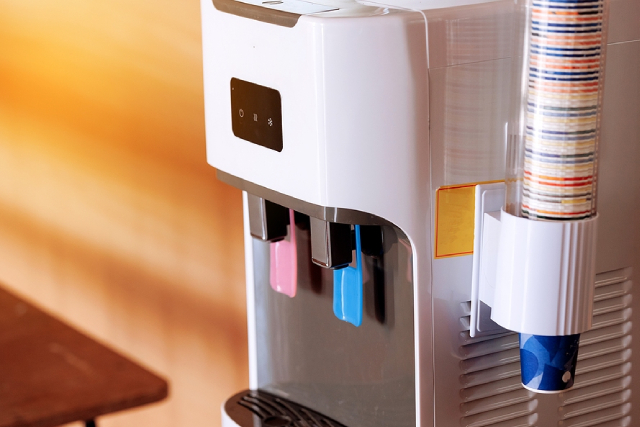
Choosing a water dispenser sounds simple at first. Most people assume the decision comes down to size or appearance, but once you start comparing options, you quickly realise there’s more to consider. Daily usage habits, available space, maintenance needs, and even how people interact with the appliance all influence which model works best.
Whether you’re setting up a new workspace or simply looking for a more convenient hydration solution at home, the right dispenser can make everyday routines smoother. Understanding the differences between tabletop and floor-standing models helps you avoid buying something that looks good initially but doesn’t suit long-term needs.
Why water dispensers are becoming essential
Across Singapore, water dispensers are no longer limited to large corporate offices. Smaller businesses and households are increasingly adopting them because they offer convenience and reduced reliance on bottled water.
A good water dispenser for the office or home simplifies daily life. Instead of boiling water repeatedly or storing multiple bottles in the fridge, users get instant access to hot, cold, or room-temperature water whenever needed. Over time, this also helps reduce plastic waste and clutter. The question isn’t whether a dispenser is useful. It’s which type fits your environment better.
What are tabletop water dispensers?
Tabletop models are compact units designed to sit on counters, cabinets, or pantry surfaces. They’re popular in small offices and spaces where floor area is limited.
Key advantages:
1. Space-saving design
Tabletop dispensers work well in compact kitchens or shared office pantries where every square metre counts. They don’t occupy floor space, making them suitable for HDB flats or smaller meeting rooms.
2. Easier integration into existing layouts
Because they sit on surfaces, there’s usually no need to rearrange furniture or redesign the space.
3. Lightweight and portable
If you relocate often or like rearranging your workspace, tabletop units are easier to move compared to heavier standing models.
4. Ideal for lower usage environments
Homes or small teams typically don’t require high dispensing volumes, which aligns well with tabletop capacity.
Possible limitations:
- Requires a sturdy counter or cabinet
- May need lifting when replacing bottles
- Smaller internal capacity compared to larger units
For households or teams with moderate water consumption, these limitations rarely become deal-breakers.
What are floor-standing water dispensers?
Floor-standing dispensers are the traditional full-height units commonly seen in offices, clinics, and commercial environments. They’re built for convenience at scale.
Key advantages:
1. Higher water capacity
These units are designed for frequent usage, making them suitable for larger teams or busy households.
2. Ergonomic dispensing height
Users don’t need to bend or reach upward, which improves accessibility for people of different ages.
3. Built-in storage options
Many models include lower cabinets or compartments for cups and supplies, helping keep shared spaces organised.
4. Stronger presence in shared environments
In offices, a standing dispenser naturally becomes a hydration point where employees gather briefly during breaks. After all, break room culture matters.
Possible limitations:
- Requires dedicated floor space
- Heavier and less portable
- May feel bulky in smaller homes
Despite this, offices with consistent foot traffic often find standing models far more practical.
Space considerations: The first decision factor
Before comparing features, assess your available space honestly.
Tabletop dispensers suit:
- Compact kitchens
- Small office pantries
- Condo units with limited counter space
- Home users prioritising minimal footprint
Floor-standing dispensers suit:
- Larger offices
- Open pantry areas
- Waiting rooms or reception zones
- Homes with dedicated utility space
A dispenser should fit naturally into your layout rather than forcing you to redesign the room around it.
Usage volume: How much water do you really need?
One of the most common mistakes buyers make is underestimating usage. If only a few people are using the dispenser occasionally, a tabletop model usually performs perfectly well. However, when multiple users rely on it throughout the day, refill frequency becomes important.
Here’s a simple comparison:
| Factor | Tabletop Dispenser | Floor-Standing Dispenser |
| Best for | Small households, small teams | Medium to large offices |
| Water capacity | Moderate | High |
| Refill frequency | More frequent | Less frequent |
| Footprint | Minimal | Requires floor space |
| Mobility | Easier to move | Mostly stationary |
Higher capacity reduces interruptions, which becomes noticeable in busy environments.
Convenience and daily use
Convenience isn’t just about pressing a button. It includes maintenance, accessibility, and how naturally people use the appliance.
Tabletop convenience:
- Easy to integrate into kitchen workflows
- Comfortable for seated environments
- Works well for individual or family use
Floor-standing convenience:
- Better for shared access
- Faster dispensing during peak usage
- Less crowding around counters
In offices, especially, the dispenser often becomes part of daily routines, from morning coffee preparation to quick hydration breaks between meetings.
Maintenance and cleaning
Maintenance is another factor people often overlook.
Tabletop models:
- Smaller internal systems
- Generally easier exterior cleaning
- May require more frequent bottle replacements
Floor-standing models:
- Larger tanks but fewer refills
- Designed for heavy-duty usage
- Often easier for service technicians to access
Regardless of type, regular sanitisation ensures hygiene and consistent water quality. Many suppliers now offer scheduled servicing plans, which removes the hassle entirely.
Energy efficiency and cost considerations
Energy usage depends more on features than size alone. Modern dispensers often include energy-saving modes or smart heating systems.
When comparing costs, consider the initial purchase or rental price, electricity consumption, maintenance servicing, and bottle or filtration replacement. Tabletop units may appear cheaper upfront, while floor-standing models often deliver better value over time in high-usage environments because they handle demand more efficiently.
When should you choose a tabletop or floor-standing model?
A tabletop dispenser is usually the better choice if:
- Space is limited
- Usage is moderate
- You want flexibility to relocate the unit
- The dispenser will mainly serve a household or small team
It’s a practical option for users who prioritise compact convenience.
A floor-standing dispenser works best if:
- Many users rely on it daily
- You have adequate floor space
- Convenience and accessibility are priorities
- The dispenser serves a shared environment
For offices, clinics, and larger families, the increased capacity often makes daily operations smoother.
Conclusion
Selecting the right water dispenser relies on creating a convenient, reliable hydration solution that fits naturally into your daily routine, whether at work or at home.
Watermaxx offers a range of tabletop and floor-standing water dispensers designed to suit different usage needs, space requirements, and lifestyles. From compact solutions for smaller homes to high-capacity systems for busy workplaces, their team can help you identify the setup that works best for your environment. Reach out to Watermaxx to explore our offerings and find a dispenser that supports efficiency and everyday convenience.