
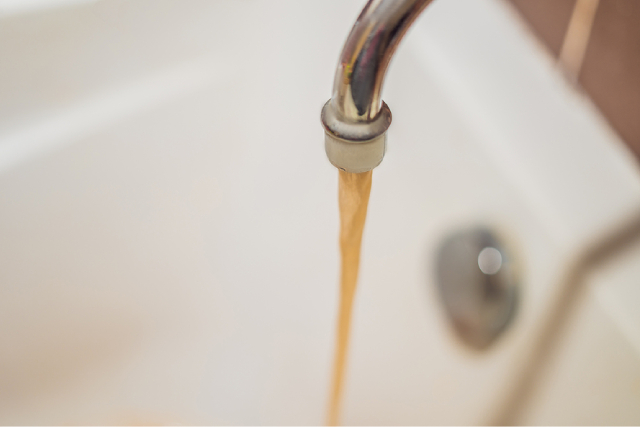
Tap water turning brown isn’t something that happens often, so when it does, it can feel genuinely confusing. One moment you’re doing something normal like rinsing vegetables or filling a bottle, and the next you’re staring at water that looks rusty, cloudy, or tea-coloured, wondering what on earth is going on.
It’s also a situation that can make you anxious quickly, because water is such an everyday essential. You might start thinking about your pipes, whether it’s still safe to use, or whether something bigger is happening in your neighbourhood. The good news is that brown tap water usually has a straightforward cause, and many cases clear up once you take the right steps.
What does brown tap water actually mean?
When your tap water looks brown, yellowish, or rusty, it’s usually because there are tiny particles suspended in the water. These particles can come from rust (iron), sediment, or mineral deposits that have been disturbed somewhere in the supply line.
For many households, this is exactly the moment they start considering a more reliable daily drinking setup, such as a water dispenser for home, so they’re not caught off guard when tap water becomes unpredictable.
In most cases, the brown colour is caused by one of two things: rust or disturbed sediment. It looks unpleasant, but it’s often a plumbing or maintenance issue rather than a sign that something toxic is suddenly flowing through your taps. Still, it shouldn’t be ignored, especially if it happens repeatedly.
Most common causes of brown tap water
Brown water generally happens when particles that were previously settled get disturbed and pushed through your tap. It’s often linked to age, pressure changes, or maintenance.
Here are the most common reasons:
- Rust in older internal pipes
- Sediment stirred up during maintenance works
- Sudden changes in water pressure that disturb deposits
- Sediment in building tanks (for some condos/buildings)
- Hot water heater sediment or corrosion (if only hot water is affected)
Now let’s break these down in a way that actually helps you figure out what applies to your home.
Cause 1: Rust in older internal pipes (within your home)
If your property is older, it’s possible that rust has built up inside internal pipes over the years. When the water flow changes, or when the tap hasn’t been turned on for a while, the rust can loosen and come out with the water.
This is especially common when you return from travel, after a long day out, or when a tap is rarely used. In many cases, the water clears after flushing, but if it happens repeatedly, it can be a sign that parts of your internal plumbing may be ageing.
Rust isn’t always “dangerous” in small amounts, but it can stain your sink, discolour laundry, affect taste, and point to a plumbing system that’s slowly deteriorating.
Cause 2: Pipe works or maintenance in your area
Sometimes, brown water has nothing to do with your home specifically. It can happen after routine flushing, repairs, upgrades, or maintenance works in your neighbourhood’s water network.
When pipes are flushed or valves are adjusted, sediment that has settled inside water mains can get disturbed and pushed through nearby homes. You might notice this across multiple taps at once, and in many cases, neighbours will experience it, too.
If you’ve received a disruption notice recently (or heard of works nearby), this is one of the most likely reasons, and it often clears up after you flush the system.
Cause 3: Sudden water pressure changes even without obvious works
Even if there’s no notice or visible construction, water pressure can change due to switching valves, reconnecting supply lines, or demand shifts in nearby blocks. These changes can disturb sediment sitting quietly in the system.
That’s why brown tap water can sometimes appear out of nowhere. Nothing new is introduced, but something that was already there gets shaken loose and becomes visible in your water stream.
Cause 4: Sediment in building water tanks
Some buildings use water storage tanks. If the tank isn’t cleaned regularly or if sediment has accumulated, water discolouration can happen when the tank refills, cycles, or runs low.
This tends to affect multiple units rather than just one home, especially in condos, commercial buildings, or developments with shared tank systems. In these cases, the issue may come and go depending on water usage patterns within the building.
Cause 5: Hot water heater issues
If only your hot water is brown, your heater could be the main culprit. Storage heaters can collect sediment inside the tank over time. Some heaters may also have internal corrosion, which can tint the water.
You’ll usually notice this in the bathroom, or when using hot water taps specifically. If your cold water runs clear but hot water remains discoloured, it’s a very strong sign that servicing or replacement may be needed.
Is brown tap water safe to drink or cook with?
If your tap water is visibly brown, it’s best not to drink it or cook with it until it runs clear. Even if it’s just rust, it still contains particles you don’t want in your body, and it can affect taste or hygiene.
This is also why some families prefer having filtered drinking water ready at home without needing to wait for tap water to go back to normal. Water filters make a difference in water dispensers, especially for households that want steadier water quality for daily drinking, guests, and food prep.
Also, avoid making baby formula with brown tap water, and try not to wash laundry until the water clears. Brown water can stain clothing, and it can be hard to remove.
What to do immediately when your tap water turns brown
Most households can resolve brown tap water quickly with a few practical steps.
Here’s what to do first:
- Pause drinking and cooking with tap water
- Check if it’s happening in hot water only, cold water only, or both
- Flush the cold tap for 5 to 15 minutes at medium flow
- If needed, clean the tap aerator (the mesh filter at the tap mouth)
If flushing improves the colour, you’re likely dealing with disturbed sediment. If it stays brown after a proper flush, it may be something more persistent inside your plumbing, heater, or building system.
How to flush brown tap water safely
Flush from your cold tap first, preferably the kitchen tap, since it’s often closest to the main supply line. Turn it on at medium strength. You don’t want it blasting, because sudden high pressure can sometimes stir things up further. Let it run for 5 to 15 minutes, and check the colour every few minutes. In many cases, it will gradually shift from brown to cloudy, then clear.
If you’d rather not waste water, collect it in buckets and use it for cleaning floors or flushing toilets. This is a practical way to clear the line without feeling like you’re pouring money down the drain.
When flushing isn’t enough
If your tap water stays brown for hours, lasts more than a day, or keeps returning over a short period, flushing alone may not solve it. At that point, it’s worth investigating the root cause rather than repeatedly waiting for it to clear.
Persistent brown water can indicate pipe corrosion in the home, sediment build-up in your heater tank, or building-level tank issues. It can also suggest that the water network nearby has recurring pressure disruptions. If you notice unusual smells, visible gritty particles, or staining that keeps happening, treat it as a sign that professional help may be needed.
Who should you contact: PUB, building management, or a plumber?
If you suspect it’s an external supply issue (especially if neighbours are facing the same problem), it makes sense to check notices and contact PUB.
If you live in a condo or managed building and multiple units are affected, you should report it to building management or MCST, especially if your building uses a water tank system.
If the issue seems isolated to your home or only certain taps, calling a plumber is usually the fastest route, because they can assess whether you’re dealing with corroded pipes or a heater problem.
Conclusion
Brown tap water can look scary, but it’s often caused by rust or sediment that’s been disturbed by pressure changes or maintenance work. In many cases, flushing clears it, and everything goes back to normal quickly. But if it keeps returning or lasts too long, it’s worth checking the heater, pipes, or building system before it becomes a bigger issue.
If you’d like a more reliable way to enjoy clean, convenient drinking water daily, Watermaxx offers water solutions designed for modern households. Reach out to Watermaxx to explore our offerings and find an option that fits your home and lifestyle.