
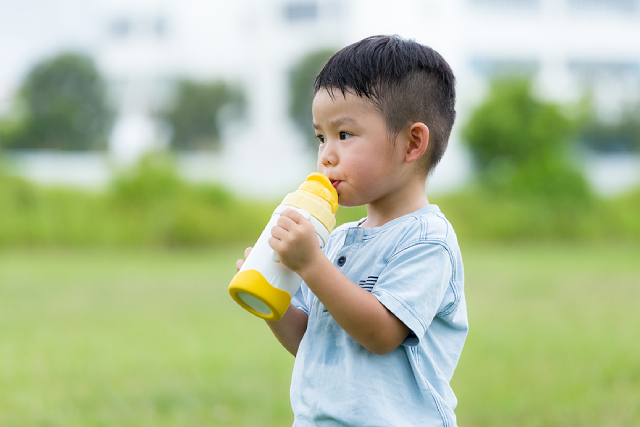
Raising children often means keeping up with little ones who have endless bursts of energy. Many parents today even rely on child leashes in crowded places, simply because their toddlers are so quick on their feet and eager to explore everything around them. Their curious, fast-paced nature means they are constantly on the move, which also means their bodies need adequate hydration to stay energised throughout the day.
As children grow older, their activity levels change, yet their energy needs remain high. Older kids often have rapid growth spurts and naturally higher metabolism, so their bodies work harder without them even realising it. This makes good hydration an essential part of keeping them focused, healthy, and ready for both learning and play.
Why hydration matters for growing children
Water plays a vital role in a child’s everyday well-being. It supports everything from digestion to temperature regulation, and it keeps their organs working efficiently. When children get enough fluids, they are more alert, energetic, and better able to concentrate in school. Even a mild level of dehydration can affect their mood and ability to think clearly.
Since kids are often busy running around, they lose fluids faster than adults. Sweating during outdoor play, PE lessons, or sports training increases their fluid loss, and they don’t always notice when they need to drink. Parents and caregivers, therefore, play a key role in helping children build healthy hydration habits.
Signs your child may need more water
Children do not always articulate how they feel, so watching out for subtle signs of dehydration can be helpful. Common indicators include feeling tired for no clear reason, dry lips, irritability, headaches, and reduced concentration. If a usually enthusiastic child becomes sluggish or moody, dehydration could be a contributing factor.
Younger ones, especially toddlers, may become unusually fussy. Some may also have darker urine, which is an easy indicator that they need to drink more. When these signs appear regularly, it is worth taking a closer look at their daily water intake.
How water powers your child’s day
Water helps transport nutrients throughout the body, ensuring that children get the fuel they need from the food they eat. It supports healthy digestion, prevents constipation, and keeps their muscles functioning well. When children drink enough water, they are better able to regulate their body temperature, which is especially important in warm climates like Singapore.
Good hydration also plays a role in cognitive performance. Children who drink water regularly often experience better focus, improved memory retention, and sharper problem-solving skills. This contributes to better performance in school and supports their overall learning journey.
Making hydration easier at home
Many families today choose a home water dispenser in Singapore to make hydration more convenient. Having quick access to clean, cool, or warm water at home encourages children to drink more regularly, especially when it is within easy reach. A dispenser can also help families stay consistent with water intake, since it makes refilling bottles and cups much simpler.
Parents can create a hydration-friendly environment by making water more visible. Keeping a child-sized bottle on the table, packing one in their school bag, and placing another near their play area are simple ways to remind them to drink often. When water is easily accessible, children are more likely to reach for it instead of sweetened drinks.
Another helpful approach is to encourage kids to drink more plain water during the day, especially before and after physical activity. Rather than reminding them constantly, adults can model the habit by drinking water frequently themselves.
How schools support hydration
Most schools are increasingly aware of the importance of hydration for both health and learning. Many have water coolers or bottle-filling stations that allow students to refill throughout the day. Teachers often remind children to bring their water bottles to class, especially during outdoor activities or long academic blocks.
Parents can help by choosing bottles that are light, easy to carry, and leak-proof. When children like their bottle, they are more inclined to use it. Labelling bottles with stickers or fun designs also makes drinking water feel more personal and enjoyable.
Hydration tips for busy families
With packed schedules, schoolwork, enrichment classes, and family routines, it can be challenging to ensure that children drink enough every day. These practical habits can make a difference:
- Offer water at regular intervals, such as during breakfast, after school, and before bedtime.
- Add hydrating foods like watermelon, oranges, cucumber, and soups to their meals.
- Remind them to drink before sports or outdoor play, not only afterwards.
- Keep a bottle in the car or stroller for convenience.
- Use small rewards or positive reinforcement when young children make an effort to drink.
Families with multiple children may find it useful to set up a “hydration station” at home. This could be a corner with clean cups and bottles ready to be refilled. A home water dispenser makes this even more convenient, offering a consistent supply of fresh drinking water without boiling or waiting.
Making water more appealing to children
Some kids prefer flavoured drinks, so water may not immediately be their first choice. Instead of relying on sugary beverages, parents can gently make water more interesting. Adding slices of lemon, berries, or cucumber can naturally enhance the taste without introducing unnecessary sugar.
You can also make drinking water a fun part of their routine. Track daily water intake with colourful charts or stickers, or join them in a short water-drinking break for a sense of togetherness. Over time, these small habits can help children develop a positive relationship with water.
Why hydration is especially important in Singapore
Singapore’s climate is warm and humid, so children lose fluids faster than they realise. Whether they are walking to school, attending outdoor classes, or simply playing at the playground, they sweat more throughout the day. This increases the need for water and makes hydration a year-round priority rather than something to focus on only during sports.
Indoor environments can also be dehydrating. Air-conditioning can dry out the body, which makes regular water intake even more important. Offering children water when they return home, before homework, or after indoor play helps replenish what they lose.
Creating lifelong hydration habits
Children who learn to value hydration early are more likely to carry this habit into adulthood. As they grow older, schoolwork becomes heavier, sports become more demanding, and their schedules get busier. A strong hydration routine supports their physical health, mental clarity, and overall resilience.
Parents play the biggest role in helping kids form these habits. Consistency, visibility, and gentle reminders can shape how children view water in their daily lives. With time, they will take the initiative themselves, which builds independence and awareness of their own well-being.
Conclusion
Keeping children hydrated is one of the simplest ways to support their growth, energy, and learning. With so many daily activities, from school to playtime, they need regular access to fresh drinking water to stay healthy and alert. If you would like to make hydration easier at home, Watermaxx offers quality water dispensers designed for families who want convenience, reliability, and clean drinking water at any time of the day.