
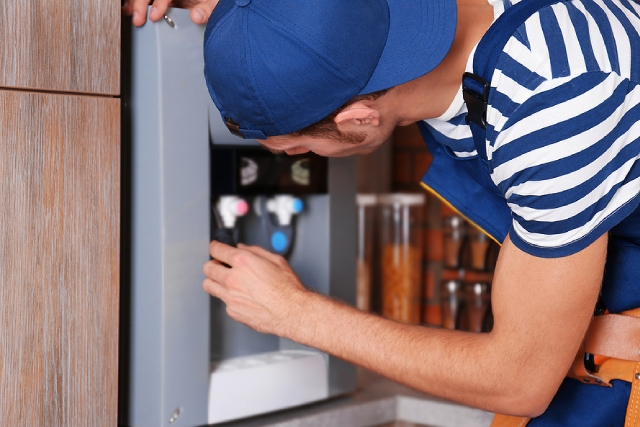
Clean drinking water is something most of us rarely think twice about. Whether it sits quietly in an office pantry or stands in the corner of a home kitchen, a water dispenser often becomes part of daily routine without drawing much attention. You press a button, fill your bottle, and move on with your day expecting fresh, safe water every time.
Yet like any appliance that handles water, constant use slowly leads to wear, buildup, and hidden hygiene issues. Because problems develop gradually, many people only notice something is wrong when performance drops, or the water no longer tastes right. Understanding early warning signs can help protect health and extend the lifespan of your dispenser.
Below are five common signs that your water dispenser may need servicing sooner rather than later.
1. The water starts tasting or smelling different
One of the earliest and most noticeable warning signs is a change in taste or smell. Clean drinking water should taste neutral and fresh. If you begin noticing a metallic, stale, or slightly sour flavour, it often signals internal buildup.
Over time, mineral deposits and biofilm can accumulate inside tanks or dispensing nozzles. Even high-quality systems aren’t immune if maintenance intervals are skipped.
Common causes include:
- Filters reaching the end of their lifespan
- Internal tubing collecting residue
- Bacterial growth in damp areas
- Stagnant water caused by irregular cleaning
Many users assume the water source itself is the problem, but in reality, dispenser hygiene plays a major role. Regular servicing ensures filters are replaced and internal components are sanitised properly.
2. Water flow has become slow or inconsistent
A healthy dispenser should deliver water smoothly and consistently. If filling a cup suddenly takes much longer than before, restricted flow is often the culprit. Reduced pressure usually points to clogged filters or blocked internal pathways. Sediment and mineral particles naturally accumulate during filtration, especially in areas with harder water conditions.
You might notice:
- Water dispensing slower than usual
- Uneven flow or sputtering
- Delays after pressing the dispense button
This is particularly common in systems under water dispenser rental arrangements, where heavy daily usage in offices or shared environments increases strain on filters. Regular servicing helps maintain optimal flow and prevents unnecessary stress on internal pumps.
Ignoring slow flow doesn’t just affect convenience. It can also force the machine to work harder, increasing energy usage and shortening its lifespan.
3. Unusual noises during operation
Most modern dispensers operate quietly, producing only minimal sound when cooling or heating water. If your machine suddenly becomes noisy, it’s worth paying attention.
Unusual sounds may include:
- Buzzing or vibrating noises
- Loud humming during cooling cycles
- Clicking sounds that persist longer than normal
These noises often indicate internal components struggling to function efficiently. A compressor may be overworking due to poor ventilation or scaling, while pumps can strain when filters are clogged.
Mechanical stress tends to worsen over time. Early servicing allows technicians to identify minor issues before they turn into costly repairs or complete system failure.
4. Water temperature isn’t consistent
One reason many households and workplaces rely on dispensers is convenience. Instant hot water for drinks and properly chilled water for hydration make daily routines easier. When temperature performance drops, something inside the system likely needs attention.
Signs of temperature issues include:
- Hot water that feels only lukewarm
- Cold water no longer cooling properly
- Temperature fluctuating unpredictably
Heating elements and cooling systems rely on clean internal pathways to function efficiently. Scale buildup acts as insulation, preventing effective heat transfer. Over time, sensors may also become less accurate if maintenance is neglected.
Servicing restores performance by cleaning internal components and ensuring temperature controls operate correctly.
It’s also worth remembering that water filters make a difference when it comes to maintaining stable performance, as clean filtration reduces strain on heating and cooling systems.
5. Visible leaks or moisture around the dispenser
Leaks are one of the clearest signals that immediate servicing is needed. Even small amounts of water pooling near the base should never be ignored.
Leaks can originate from several areas:
- Worn seals or connectors
- Loose internal tubing
- Cracked water tanks
- Overflow from blocked drainage systems
Beyond damaging floors or cabinetry, leaks create a hygiene risk by encouraging mould growth and bacteria. Electrical components may also be exposed to moisture, increasing safety concerns.
If you notice condensation forming excessively or water collecting underneath the unit, switch off the dispenser and arrange servicing promptly.
Why regular servicing matters more than many realise
Because dispensers appear simple on the outside, maintenance is often overlooked. However, these machines combine filtration, heating, cooling, and water storage systems in one compact unit. Each component requires periodic care to function safely.
Regular servicing helps to maintain water hygiene standards, improve taste and odour quality, extend equipment lifespan, reduce unexpected breakdowns, and power long-term repair costs.
For workplaces especially, consistent servicing supports employee well-being. Access to clean drinking water encourages hydration, which contributes to comfort and productivity throughout the day.
How often should a water dispenser be serviced?
Servicing frequency depends on usage levels and environment. A lightly used home unit may require maintenance less often than a busy office dispenser used by dozens of people daily.
As a general guideline:
| Usage Environment | Recommended Servicing Frequency |
| Home use | Every 6 months |
| Small office | Every 4 to 6 months |
| Large office or shared space | Every 3 to 4 months |
| High-traffic commercial areas | Every 3 months |
Professional servicing typically includes internal sanitisation, filter replacement, system inspection, and performance testing.
Simple habits that help between servicing
While professional maintenance is essential, a few everyday habits can help keep your dispenser in good condition between scheduled visits.
- Wipe dispensing nozzles regularly with a clean cloth
- Avoid touching outlets directly with cups or bottles
- Keep the surrounding area dry and ventilated
- Replace bottles or cartridges carefully to prevent contamination
- Ensure airflow around the machine isn’t blocked
These small steps reduce contamination risks and help the system operate more efficiently.
Conclusion
A water dispenser quietly supports daily hydration, but like any appliance, it needs consistent care to perform well. Changes in taste, slower flow, unusual noise, unstable temperatures, or visible leaks shouldn’t be brushed aside as minor inconveniences. These early signs often appear long before serious problems develop. Regular servicing protects both the machine and the people using it, ensuring water remains clean and safe to drink every day.
If your dispenser hasn’t been checked in a while or you’ve noticed any of these warning signs, it may be time to schedule professional maintenance. Watermaxx offers reliable servicing, maintenance support, and tailored solutions designed to keep your water systems running smoothly, so you can enjoy safe, high-quality drinking water with confidence.