
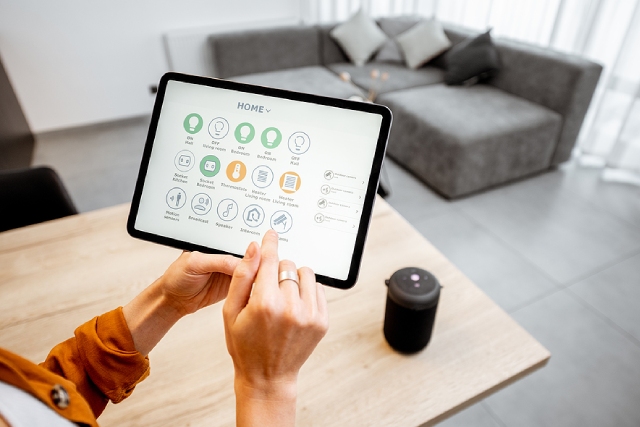
Smart home technology has come a long way from being a luxury reserved for tech enthusiasts. Today, more homeowners in Singapore are turning to connected devices and energy-efficient appliances to trim their monthly bills. The results, when you choose wisely, can be impressive. The question is not whether smart upgrades are worth it, but which ones actually deliver on their promise.
The honest answer is that not every gadget with a smart label will pay for itself. Some devices offer convenience with little financial return, while others chip away at your utility costs month after month. This guide breaks down the upgrades that consistently make a difference to your wallet, so you can spend where it counts.
1. Smart air conditioning controls
In Singapore’s climate, air conditioning accounts for a significant chunk of household electricity consumption. Air conditioning can make up around a quarter to 40% of a home’s electricity use. Upgrading to a smart air conditioning controller or replacing an older unit with an inverter model paired with smart scheduling lets you cool your home only when needed, without coming home to a sweltering flat.
Smart AC controllers typically allow you to set temperature schedules, monitor usage, and adjust settings remotely via an app. Over a year, this level of control can lead to meaningful reductions in your electricity bill, especially if you have a habit of leaving the aircon running when no one is home.
2. Hot and cold water dispensers
This one often surprises people, but a hot and cold water dispenser can reduce energy costs compared to repeatedly boiling a kettle throughout the day. A traditional kettle uses a burst of high energy every time it is switched on. A quality countertop dispenser, by contrast, maintains water at your preferred temperature more efficiently, drawing less power per cycle over time.
For households that consume a lot of hot beverages or regularly need chilled drinking water, the cumulative savings add up. Choosing water temperature settings on a modern dispenser also means you are not overheating water you do not need, something that contributes to wasted energy with a standard kettle.
Beyond energy, consider the hidden cost of single-use bottled water. Households that switch to a filtered water dispenser often find they spend significantly less on bottled water over the course of a year.
3. Smart lighting systems
Replacing conventional bulbs with LED smart lighting is one of the most accessible upgrades available. LEDs already use up to 75% less energy than incandescent bulbs, but pairing them with smart controls like motion sensors, scheduling, and dimming pushes the savings further.
The real benefit here is eliminating passive waste: lights left on in empty rooms, forgotten switches, and over-illuminated spaces. Smart lighting systems also tend to have long lifespans, which reduces replacement costs. For HDB flats and condominiums alike, this is an upgrade that pays back relatively quickly.
4. Smart power strips and standby management
Standby power, often called “phantom load”, is the electricity your appliances consume even when not in active use. In Singapore, this can account for around 10% of a household’s electricity consumption. Smart power strips cut the supply to devices that are on standby, effectively eliminating this silent drain.
This upgrade is particularly useful in home entertainment setups, where televisions, sound systems, and gaming consoles tend to accumulate standby usage. The upfront cost is low, and the reduction in wasted energy is immediate.
5. Smart water heaters and instant heaters
Traditional storage water heaters keep a tank of water warm around the clock, even when no one is showering. Upgrading to an instant water heater or a smart storage heater with scheduling reduces this constant energy draw considerably. Some smart water heaters can even learn your household’s routine and heat water only in the periods leading up to when it is typically needed.
6. Smart plugs with energy monitoring
Before investing in more advanced upgrades, smart plugs give you something invaluable: visibility. Plugging your appliances into smart plugs with energy monitoring lets you see exactly how much power each device draws, which often reveals surprising culprits: older refrigerators, desktop computers left running, and washing machines with inefficient cycles.
Once you know where the energy is going, you can make targeted decisions rather than guessing. This is a low-cost entry point into smart home management that pays for itself simply through the behavioural changes it encourages.
What to prioritise
If you are working with a budget, focus on the upgrades that address your highest areas of consumption first. For most Singapore households, that means air conditioning, water heating, and lighting, in roughly that order. Appliances like a hot and cold water dispenser sit at an accessible price point while contributing to both energy and spending efficiency across everyday use.
Smart plugs and power strips are easy wins that require minimal commitment. From there, building out your smart home gradually tends to deliver better outcomes, since you can measure the impact of each addition and adjust accordingly.
Conclusion
If you are ready to start with a practical, everyday upgrade, Watermaxx offers a range of filtered water dispensers designed for Singapore homes. Whether you are looking for a countertop unit for the kitchen or a floor-standing model for the office, our dispensers combine filtration, energy efficiency, and ease of use in one. Explore our offerings at Watermaxx and find the right fit for your household, because saving money should not feel complicated.